%20(1)%20(1).png)
Read more
From Aerial Scout to Intelligence Hub: UAV Helicopter Maritime Surveillance
As advanced multi-sensor data hubs, UAV helicopters are transforming naval intelligence and domain awareness at sea.
Version 1.0.0
January 2026
Published

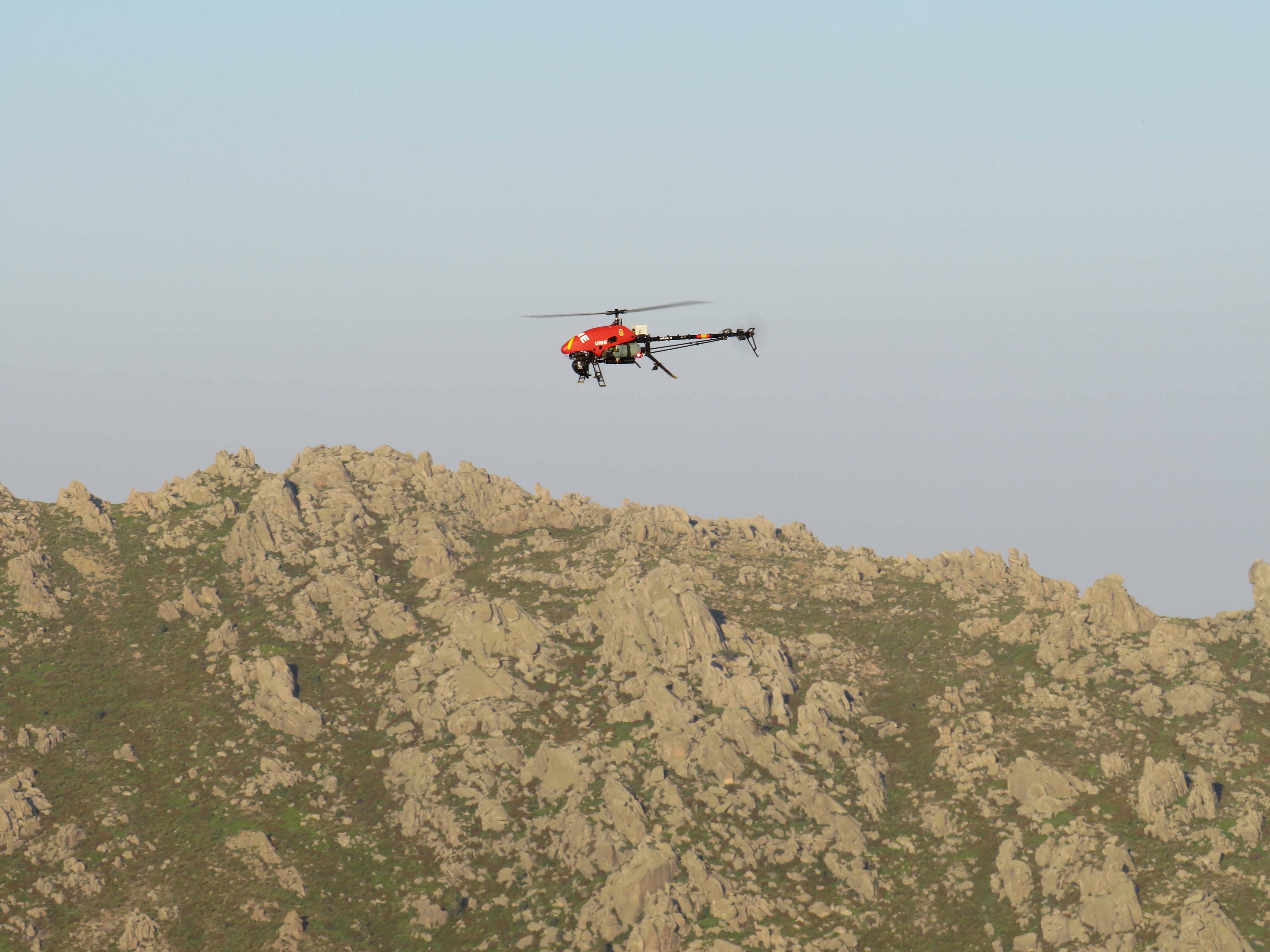
Since their development, the main tactical role of uncrewed helicopters was to act as aerial spotters. Compact unmanned platforms used for short-range reconnaissance missions near ships or coastlines.
Today, these aerial systems are becoming far more sophisticated. Modern rotary-wing UAVs are evolving into multi-sensor data hubs that connect ships, aircraft, and maritime command centers to create a single, real-time surveillance information network at sea.
These technical developments change how navies think about unmanned intelligence and maritime surveillance at sea: from isolated observation to more integrated maritime domain awareness.
Smarter Skies Over the Sea
In the past, UAV helicopters had a key role to play: extend a ship's visual range. They flew short sorties ahead of vessels, relaying live video of potential threats. Useful, yes, but limited.
Modern unmanned helicopter platforms are designed to do much more. Advances in payload technology, communications links, and flight autonomy now allow them to operate as true intelligence nodes; collecting, processing, and distributing critical reconnaissance information across the fleet in real time. They combine feeds from multiple onboard sensors, from electro-optical and infrared cameras to radar, providing an enhanced level of situational awareness by day or night.
UAV helicopters like the Alpha A900 can detect, identify, and track surface contacts automatically, forwarding any relevant data to command and control operators. This reduces the workload aboard the vessel while speeding up threat detection and response.
A Powerful Force Multiplier
Uncrewed helicopters have become essential force multipliers for naval and border forces. With unmatched endurance and the ability to hover or fly at low speed, they provide a platform for true persistent surveillance without tying up costly manned helicopters or larger reconnaissance aircraft.
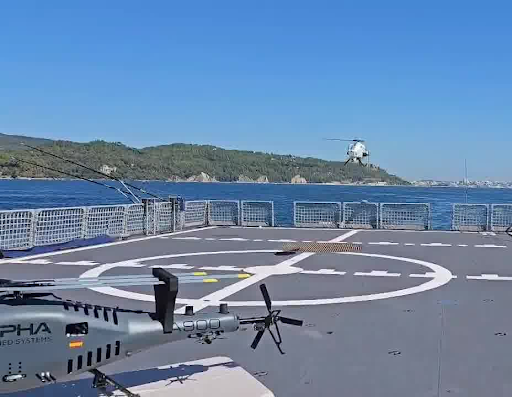
A single destroyer or frigate can deploy a rotary UAV to patrol surrounding seas, maintain a watch over critical infrastructure, or verify AIS radar tracks well beyond the ship's horizon, and all of this without risk to crews or consuming large amounts of valuable fuel.
Furthermore, unmanned systems require minimal deck space and can be launched from smaller ships or auxiliary vessels, greatly extending ISR (Intelligence, Surveillance, Reconnaissance) reach. For coast guards and smaller navies, this represents a tangible enhancement in reconnaissance capabilities at a reduced cost.
Integration with Maritime Command and Control
By far the greatest advancement in UAV platforms is data integration. Modern uncrewed helicopters can now feed critical data directly into command-and-control (C2) systems, linking shipborne combat centers, airborne assets, and shore-based operations.
This data exchange turns the UAV into a key link between both tactical and strategic intelligence layers. The result is a more connected and agile decision making environment, where surveillance information moves quickly between all operational players.
Teaming with Manned Helicopters and Crews
Rather than replacing crewed helicopters, uncrewed rotary platforms complement them. Manned-unmanned teaming (MUM-T) allows shipborne helicopters to coordinate directly with their smaller UAV wingmen.
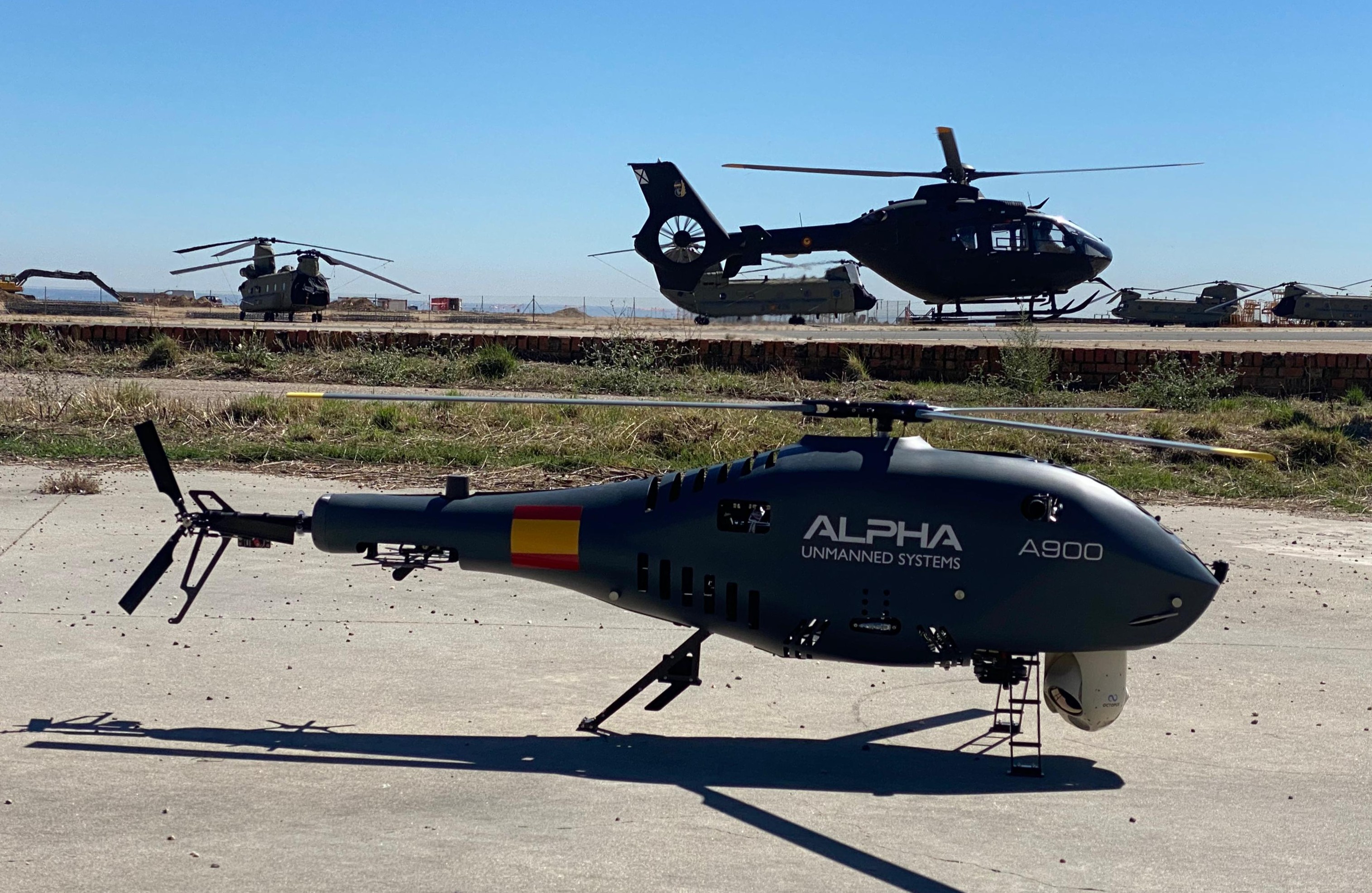
A manned helicopter can remain at altitude or conduct logistics and rescue tasks while the UAV maintains persistent surveillance below, sharing sensor feeds in real time with the crew. This teaming extends mission coverage and reduces the overall exposure of military aircrews in hazardous scenarios or contested zones.
Low Cost, Low Risk, High Payoff
UAV helicopter operations for key ISTAR missions are far cheaper and simpler than deploying crewed aircraft. Maintenance cycles are shorter, fuel requirements lighter, and launch procedures much more flexible.
With recent developments in uncrewed technologies, Naval forces can now sustain continuous ISR patrols using small unmanned platforms without placing their aircrews in danger. The blend of affordability, versatility, and safety makes uncrewed helicopters attractive not only to major navies, but also to coast guards and border patrol agencies.
As maritime domains grow more complex, the VTOL UAV platform is no longer just an extra set of surveillance eyes; it has a critical tactical role to play within the ever more integrated surveillance data fabric at sea.

.jpg)
.svg)


.png)
