%20(1)%20(1).png)
Read more
UAV Procurement at Speed: How Defense SMEs Are Closing the Unmanned Systems Capability Gap Faster
Agile, focused, and unburdened by complex structures, smaller unmanned systems manufacturers are delivering tactical capabilities at speeds that larger defense primes cannot match.
Version 1.0.0
January 2026
Published

The defense procurement landscape is changing. The conflict in Ukraine has shown that rapidly deployable unmanned systems, procured and fielded in weeks, rather than years, can deliver a decisive battlefield impact.
Across NATO, the need to unlock unmanned capabilities quickly has become an urgent requirement, and the answer is increasingly pointing not to large prime contractors, but to smaller, specialist companies operating ahead of the innovation curve.
Larger players have an indispensable role in delivering very complex, platform-level programs. But in the fast-moving world of unmanned systems, where sensor technology, communications architectures, and operational doctrines are all evolving so rapidly, the traditional defense procurement model, built around long development cycles and rigid specifications, struggles to keep pace with operational demands.
Defense SMEs are filling the gap. And they are doing so faster, and often more effectively, than legacy procurement pathways.
Speed Is a Strategic Asset in Unmanned Systems Procurement
When a coast guard agency needs an unmanned system capable of operating at sea from smaller vessels, it cannot wait for an innovation programme to mature. When a border control authority needs a surveillance drone that can operate for hours, it needs a proven platform that exists today, not one that will be developed over the coming years.
This is the environment in which specialist unmanned systems manufacturers like Alpha operate. Because we focus on a defined set of mission types, we can move from requirement to deployment in timescales that would be impossible for a large prime carrying the overhead of a complex multi-domain portfolio. Iteration cycles that take years in a major defense programme can take just months when manufacturing, technical integration and training teams are all in the same building.
The result is not a compromise on quality. But a solution built on operational feedback, real-world testing, and continuous refinement rather than specifications signed off before the real mission needs were fully understood.
In Practice: Emergency Maritime Surveillance Capability Delivered in Under Three Months
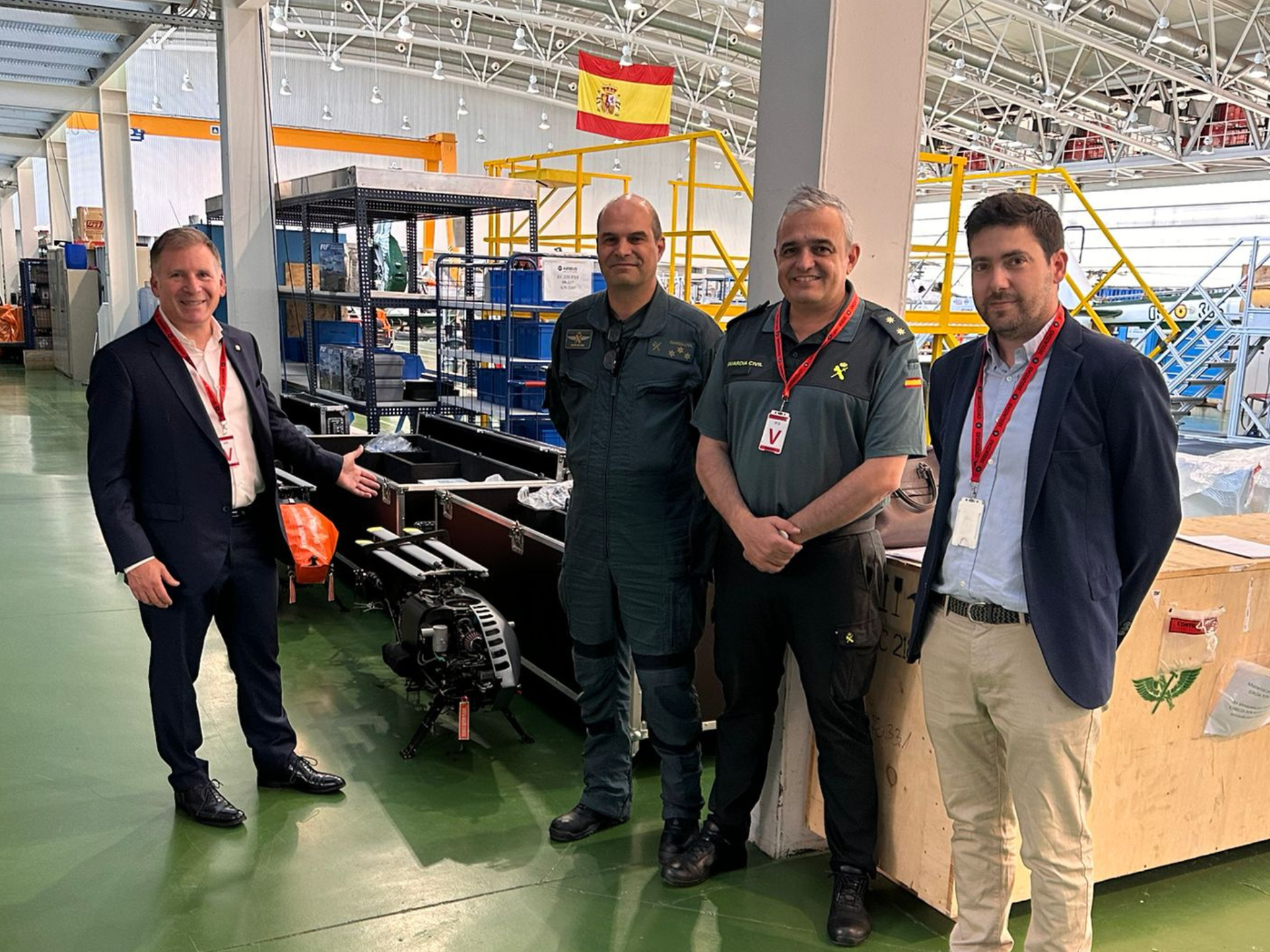
When a national security force required urgent maritime surveillance capability following emergency measures approved by parliament in February, they turned to Alpha Unmanned Systems rather than a traditional prime contractor procurement route.
This critical situation demanded speed. Within two months of contract award, our unmanned tactical helicopter systems had been delivered and were ready for operational deployment. Pilot and maintenance team training, delivered through a combination of online instruction and in-person practical sessions, was completed in just over a month, running in parallel with final system integration.
From parliamentary approval to trained crews ready to operate at sea in under three months.
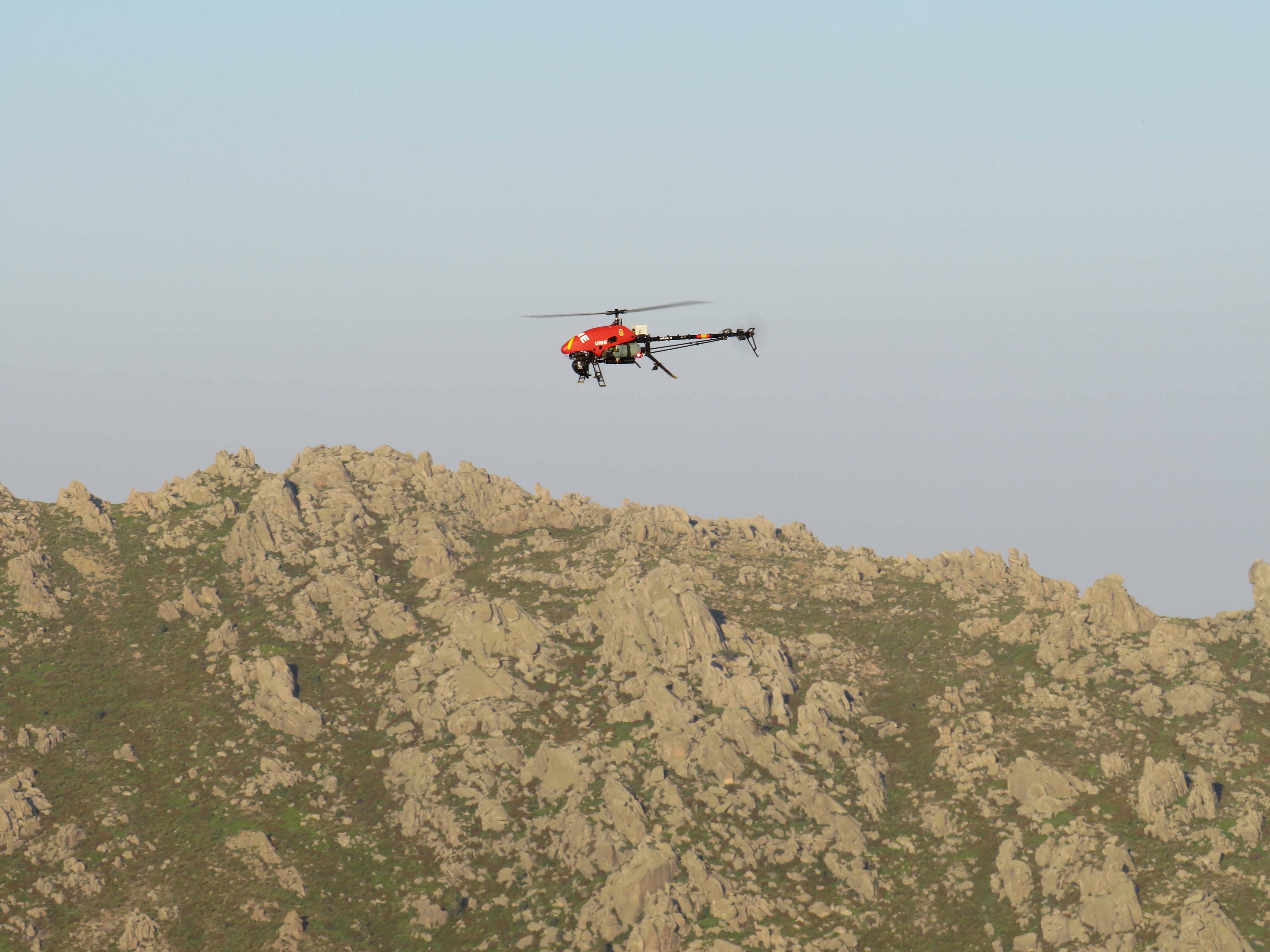
This was achieved because the A900 tactical UAV helicopter platform, subsystems, and training programme already existed and were ready to deploy. In an emergency, the fastest route to capability is to engage a supplier whose systems and support infrastructure are proven, tested, and available.
The Innovation Paradox in Large Defense Organisations
Large defense contractors face structural challenges that are rarely discussed: their size and complexity work against rapid innovation cycles. Long internal approval chains, multiple programme teams, and the need to protect existing revenue streams all create friction that slows the translation of user requirements into fielded capability.
SMEs don’t carry this inertia. The engineers who design our unmanned tactical helicopters and subsystems are the same people who support them out in the field. Customer feedback reaches the product team directly, not through layers of programme management. When an operator identifies a limitation, the technical improvement can be rolled out in days rather than months.
UAV Procurement Frameworks Are Beginning to Catch Up
Several NATO member states have introduced dedicated SME procurement pathways, innovation sandboxes, and fast-track programmes designed to get smaller suppliers into operational programmes more quickly.
The United Kingdom's defense procurement reforms, Germany's increasing reliance on SME-led unmanned system suppliers, and the European Defence Fund's growing allocation to smaller innovators all point in the same direction: governments are recognising that speed matters as much as scale.
What Buyers Should Look for in an Unmanned Systems SME Partner
.png)
Not all SMEs are equal, and procurement officers are right to apply rigour to supplier selection. The relevant question is not size, but whether the company has the experience to deliver.
Has the platform been deployed in real missions, by real operators, in representative environments? A flight demonstration tells you something; a record of operational sorties tells you significantly more. Look for platforms with documented customer deployment cases across mission scenarios. Buyers should assess whether the supplier has the training capability, spare parts logistics, and technical support to sustain operations at the required tempo and not just to deliver a standalone system.
The structural advantages that defense SMEs hold in the unmanned systems domain are real. But realising those advantages requires active choices by governments willing to adjust UAV procurement frameworks, by prime contractors willing to position unmanned specialists as value chain partners rather than subcontractors, and by SMEs themselves willing to invest in the operational depth and system integration that serious buyers demand.
Nations that move fastest will field more capable, more adaptable unmanned tactical systems sooner, and at lower cost than those that default to legacy procurement pathways.
Unmanned tactical helicopter platforms for maritime surveillance, border control, and ISR.
To discuss how our UAV systems could support your procurement requirements, contact our team.
.jpg)

.svg)


.png)
